Both big mobile OSes level up: iOS 27's new Siri and Android's September drop
A rare double software day — Apple ships the long-delayed Siri in iOS 27 while Google's September Feature Drop upgrades Android for free. Plus a creator's Instagram trick, a copy-paste editing prompt, and an honest take on the AI-gadget hype.

- Long Press · Daily Five15 Sept 202601 / 05
 commentary
iOS 27 is out — and Siri finally grew up
📱 iOS 27 has landed, and the headline is the long-delayed Siri overhaul. After two years of delays, the new Siri finally does what Apple promised: it sees what's on your screen, remembers your personal context, holds a real multi-step conversation, and lives in its own dedicated app with synced history. It's the best iPhone upgrade this year — and it's free.
The problem
Apple promised a smarter, context-aware Siri back at WWDC 2024 and then missed deadline after deadline, leaving iPhone users with an assistant lagging behind ChatGPT and Gemini.
What changed
On September 14, 2026, Apple shipped iOS 27 to the public with the rebuilt Siri: on-screen awareness, personal context, natural multi-step conversations, and a standalone Siri app that keeps chat history across devices. iOS 27 runs on iPhone 11 / SE (2nd gen) and later.
The catch
The new Siri is opt-in and still in beta — you may have to join a waitlist — and it isn't available in the EU or China at launch while Apple works through regulations. Some features also need newer hardware.
What it means for you
Update via Settings > General > Software Update, then opt into the new Siri to try it. In the EU, expect to wait.
- Long Press · Daily Five15 Sept 202602 / 05
 news
newsYour Android phone just got new tricks — no upgrade needed
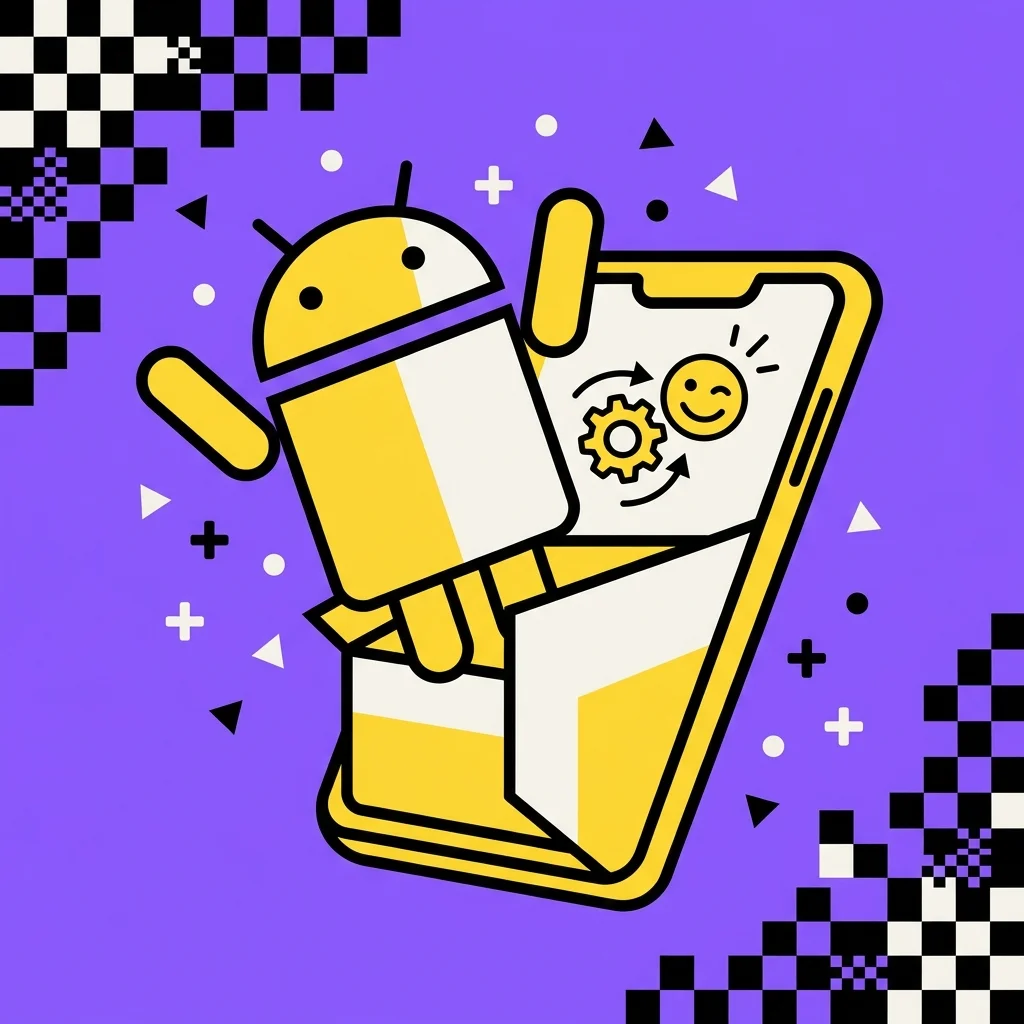
🤖 Google's September Feature Drop is rolling out — proof Android phones keep getting better without a new purchase. Motion Assist adds a moving on-screen bubble that reduces car-sickness while you read; Find Hub lets you ask Gemini to remember where you left physical things; Guided Vision in Gemini Live highlights objects for low-vision users; and Google Messages gains Keep note sharing plus chat themes. It reaches Android 16/17, with some features going back to Android 9.
The problem
Most people assume meaningful phone improvements only arrive with a new handset, so genuinely useful software features get overlooked.
What changed
Google's September 2026 Android Feature Drop adds Motion Assist (a moving bubble that cuts motion sickness while reading in a moving vehicle), a Gemini-powered Find Hub that remembers where you placed items, Guided Vision in Gemini Live for low-vision users, and Google Keep sharing plus chat themes in Messages. It's rolling out to Android 16 and 17, with some features reaching devices as old as Android 9.
The catch
Rollouts are staggered, so not every feature lands on every phone at once, and the newest additions need Android 16 or higher.
What it means for you
Check for the update and open each app's settings — Motion Assist and Find Hub alone are worth turning on today.
- Long Press · Daily Five15 Sept 202603 / 05
 tip
tipThe Instagram feature most creators ignore: Trial Reels
💡 Instagram's Trial Reels let you test a Reel on strangers before your own followers ever see it. Toggle 'Trial' before posting and the Reel is hidden from your followers and your grid — it only goes to non-followers in recommendations for about 72 hours. If it performs, you publish it to everyone; if it flops, your audience never saw the miss. It needs a professional account with at least 1,000 followers.
The problem
Creators hesitate to experiment because a flat Reel can be shown to loyal followers first and drag down the feed.
What changed
Instagram's Trial Reels (expanded to all pro accounts with 1,000+ followers in early 2026) let you publish a Reel hidden from your followers and grid and shown only to non-followers in the recommendation feed for ~72 hours, so you can test hooks risk-free before deciding to share with everyone.
The catch
You need a professional (creator/business) account with at least 1,000 followers, and during the trial the Reel is excluded from hashtags, Explore and your profile grid.
What it means for you
Next time you're unsure about a hook, post it as a Trial Reel first and only publish the winners to your followers.
- Long Press · Daily Five15 Sept 202604 / 05
 ai
aiSteal this prompt: the ruthless editor
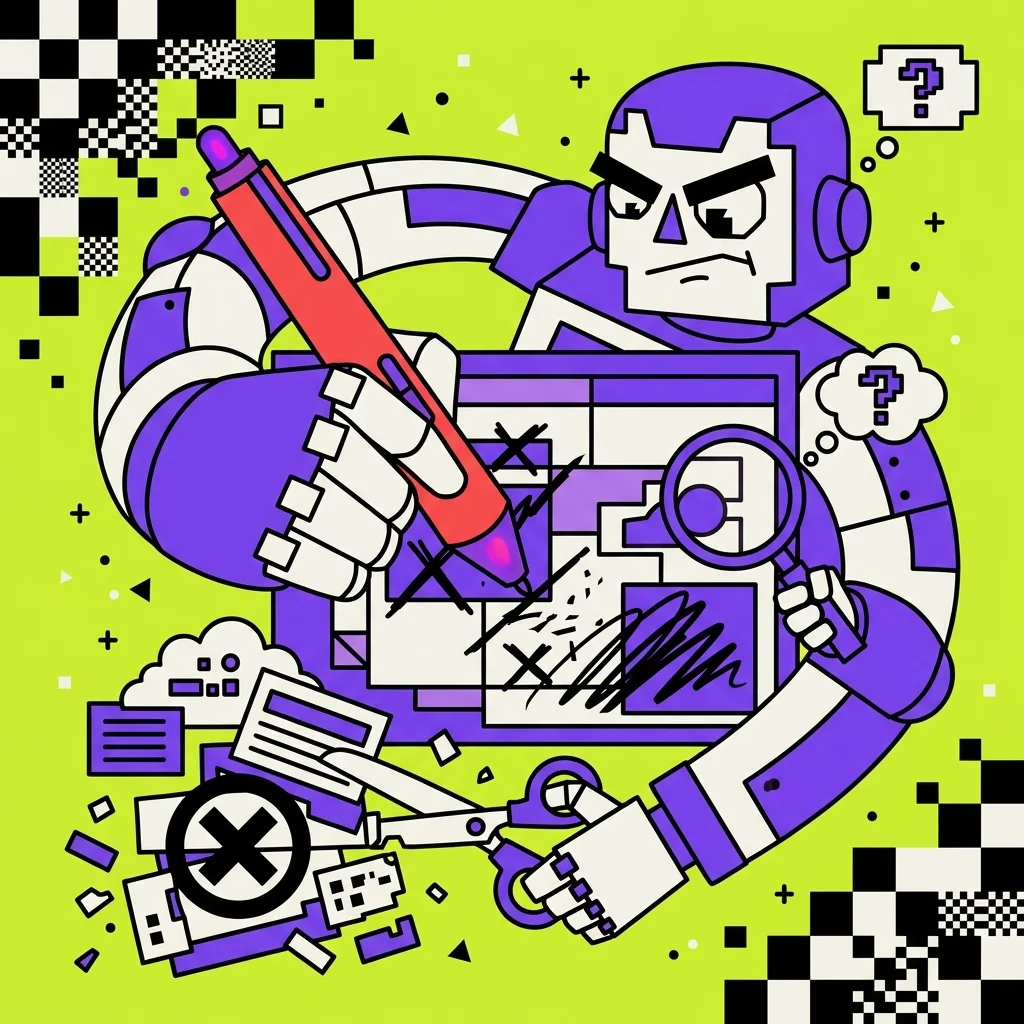
💡 One prompt I use on almost everything I write: 'Act as a ruthless editor. Cut this by 40% without losing my meaning or voice. Give me the tighter version first, then a short list of what you cut and why: [paste text].' It works on emails, captions, messages and docs — and the 'what you cut and why' part quietly teaches you your own filler. ⚡️
The problem
Most of us write far longer than we need to, and vague 'make this better' prompts return bloated, off-voice text.
What changed
A tightly-scoped editing prompt — cut by 40%, preserve meaning and voice, return the trimmed version plus a rationale of what was cut — turns any AI chatbot into a consistent editor for emails, captions and docs.
The catch
Always re-read the trimmed version; AI can cut nuance or facts along with the fluff, so you keep final say.
What it means for you
Save the prompt and run it on your next long email before you hit send.
- Long Press · Daily Five15 Sept 202605 / 05
 hot take
The AI gadget you're about to buy is a phone app in a nicer box
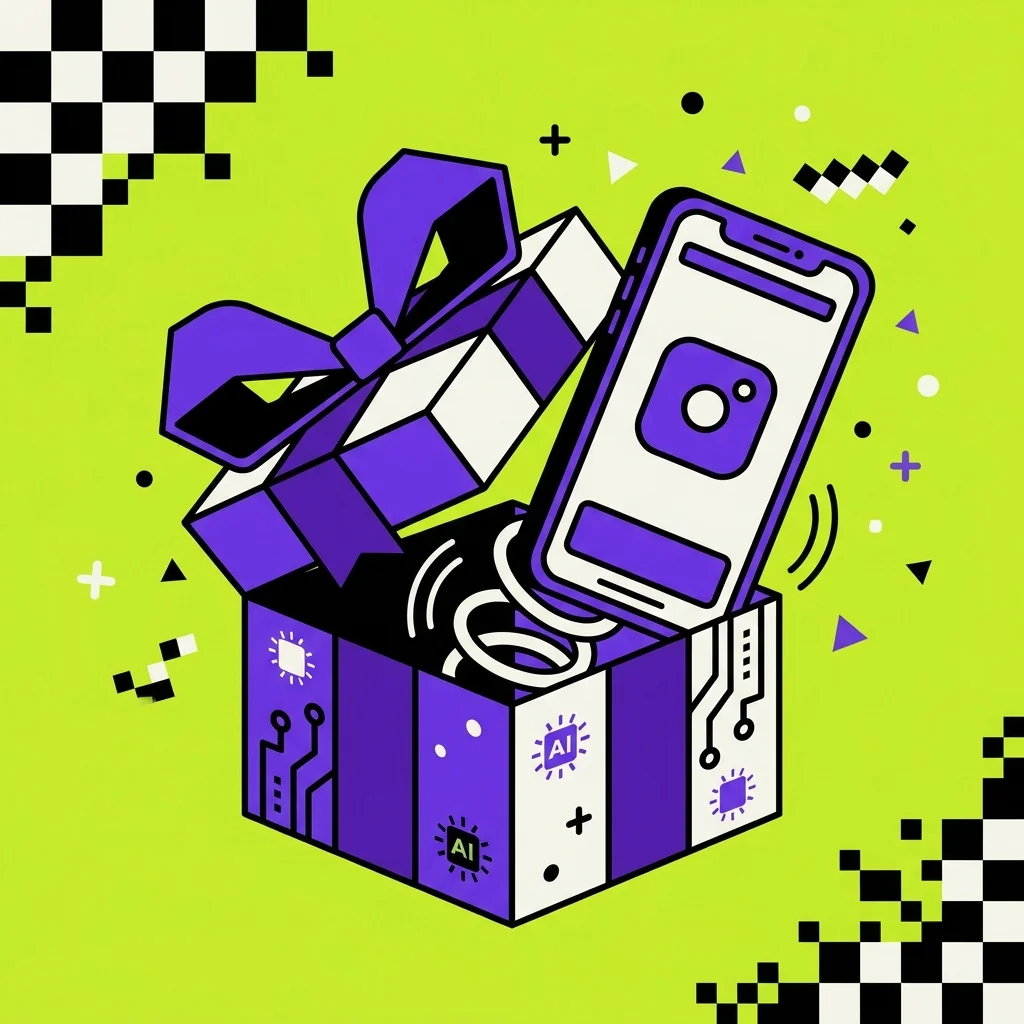
🔥 Hot take: most 'AI gadgets' solve a problem your phone already solved. The category's short history says it all — Humane's $699 AI Pin was effectively bricked inside a year, the Rabbit R1 mostly opened web pages, and Friend spent millions on subway ads people just graffitied. The devices that survived are small pendants that quietly transcribe and summarize your day — one honest job. The rule of thumb: if your phone already does it, you don't need it.
The problem
A wave of AI wearables — pins, pendants, badges — is marketed as the next post-smartphone device, and it's easy to spend hundreds on one.
What changed
The track record is unforgiving: Humane's $699 AI Pin shut down less than a year after launch, the Rabbit R1 underdelivered, and the pendant-style survivors succeed precisely because they do one narrow thing — transcribe and summarize conversations — rather than replace your phone.
The catch
This is opinion, not a blanket dismissal — dedicated note-taking pendants genuinely help some people, and Apple is reportedly working on its own AI wearable for 2027.
What it means for you
Before buying any AI gadget, ask whether an app on the phone already in your pocket does the same thing — usually the answer is yes.