Festive-sale discounts get a 30-day price check only from January
From 1 January 2027, platforms must show the lowest 30-day price beside a discount. This sale season's '% off' has no such check.
Not today’s newsBig Billion Days and the Great Indian Festival lead with a percentage every year. What has stayed the same for years is what that percentage is measured against: usually the MRP, a number the seller declares, not the lowest price the item sold at recently. The rule that would force a 30-day comparison was notified on 9 September and starts on 1 January 2027, so this season runs without it.

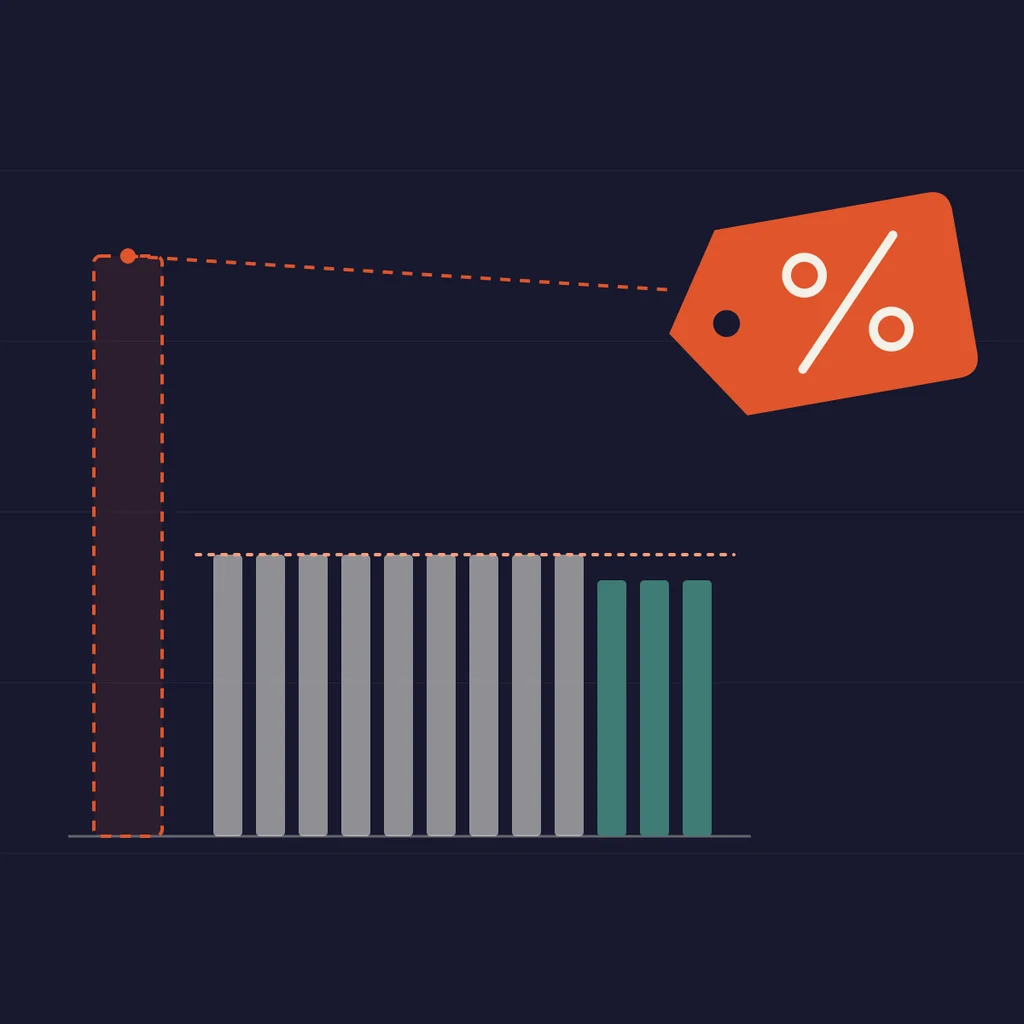
Every festive sale leads with a percentage. It is the biggest thing on the banner, and it is only as good as the price it is measured against. In India that price has usually been the MRP, the maximum retail price the seller declares. A 2016 analysis of listings already described the discount percentage as a function of two numbers, the MRP and the selling price, and found the same product carrying different MRPs at different retailers.
MRP is the highest price a seller may charge. It is not a record of what the item has sold for. Say a phone has an MRP of ₹79,900 and a sale price of ₹69,900. The badge says about 13% off. If the phone sold for ₹69,900 all through the previous month, the saving this week is zero. Both numbers on that page can be accurate, and the page still tells you nothing about the saving. (The phone and prices are made up to show the arithmetic.)
On 9 September the Department of Consumer Affairs notified amendments to the E-Commerce Rules. When a platform or seller announces a price reduction, it must show the prior price beside the reduced price, and the prior price is the lowest price in the 30 days before the announcement. The rules take effect on 1 January 2027. A law firm’s note on the amendment reads that as meaning platforms need not apply it to sales before that date, including this year’s festive sales.
The EU has had the same rule since 2022. K&L Gates notes that measuring against the 30-day low can make the advertised saving look much smaller, which is the point of the rule.
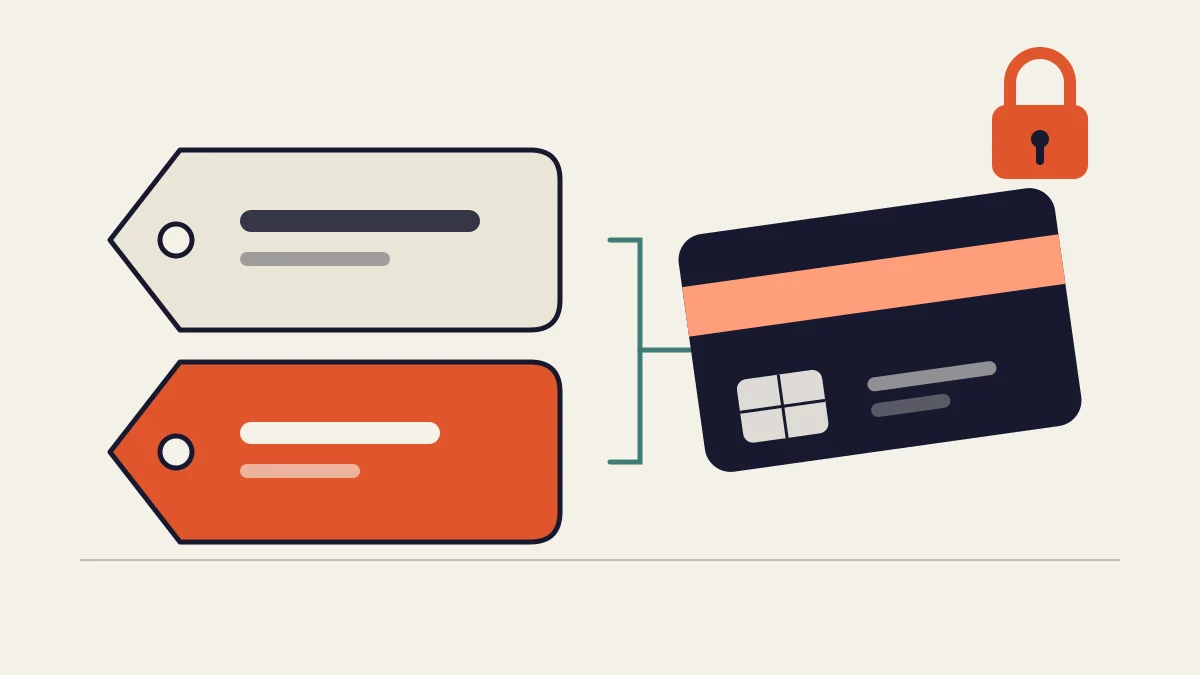
The second condition is the card. Flipkart announced an instant discount of up to 10% on eligible Axis Bank and ICICI Bank cards for Big Billion Days, and coverage of the early deals says the final price depends on the conditions attached to each offer. So there are two prices: the one on the banner, and the one you pay if you hold the right card. The percentage describes neither.
None of this means sale prices are fake. A price-tracking service that publishes its own data says 73% of the products it tracked were cheaper during the last two Great Indian Festival sales. That is one vendor’s number, covering only what it tracks. It fits the point here: the price can be lower and the percentage can still tell you little.
Enforcement so far has been small and about a different practice. The CCPA fined FirstCry ₹2 lakh in September 2025 for showing “MRP inclusive of all taxes” and then adding GST at checkout. That is drip pricing, one of 13 patterns in the CCPA’s 2023 dark patterns guidelines. It is not an inflated reference price. For a sense of range, an Australian court fined a bedding seller A$15 million for advertising sales with no saving. The offence and the country are different, so it is a range, not a comparison.
Two things are not settled. The published text of the amendment defines the prior price as “the lowest price of a good or service thirty days prior to the announcement”, while the department’s own summary says the lowest price in the 30 days before it. And the text does not say whether a bank offer counts as a price reduction.
Check it yourself before you buy:
- Look up the item’s price over the last 30 days, from before the sale started.
- Work out the rupee price you would pay after the card offer, for the card you hold. If you do not hold that card, the banner price is not your price.
- Compare the two. If your price is not below the 30-day low, there is no saving.
From 1 January the comparison gets a definition. Until then, judge a sale by the rupee price you would pay, not by the percentage.
SourcesNotification 789(E), 9 September 2026 (TaxGuru copy) ↗Moneylife: new e-commerce rules from 1 January ↗FoxMandal: inside the e-commerce amendments ↗News On AIR: CCPA fine on an e-commerce company ↗Storyboard18: CCPA fines FirstCry ↗Bar & Bench: dark patterns in India ↗K&L Gates: the EU 30-day rule ↗Ascendants: Flipkart Big Billion Days 2026 bank offers ↗Analytics Insight: Big Billion Days early deals ↗PriceHistoryApp: Great Indian Festival 2026 ↗YourStory: MRP dissonance in e-commerce (2016) ↗Mudgee Guardian: Emma Sleep fined ↗
Whoever sets the struck-through number. A higher MRP makes any sale price look like a bigger saving, and the amended rule that defines the comparison is not in force until January. The card offer adds a second condition: the best price is open only to people who hold the right card.
The operator’s readOn a product listing page, the badge is calculated from two fields: the declared MRP and the selling price.
The arithmetic is right whatever goes into it. That is why the fix is a definition, the lowest price in the last 30 days, and not a design change.
Swami Guru · Eleven years leading productSkip the '% off' badge as a reason to buy. Decide on the rupee price you would actually pay after your card's offer, and compare it with what the item cost over the last 30 days. If it is not lower than that, the sale is not a saving, whatever the banner says.