WhatsApp's AI agents, Instagram pays for photos, and a home-robot reality check
Five stories worth your time: WhatsApp is testing third-party AI agents, Instagram starts paying for photos and carousels, a Google Photos vault you're probably not using, a prompt that makes AI argue back, and why viral robot demos aren't shipping to your home yet.

- Long Press · Daily Five21 Sept 202601 / 05
 commentary
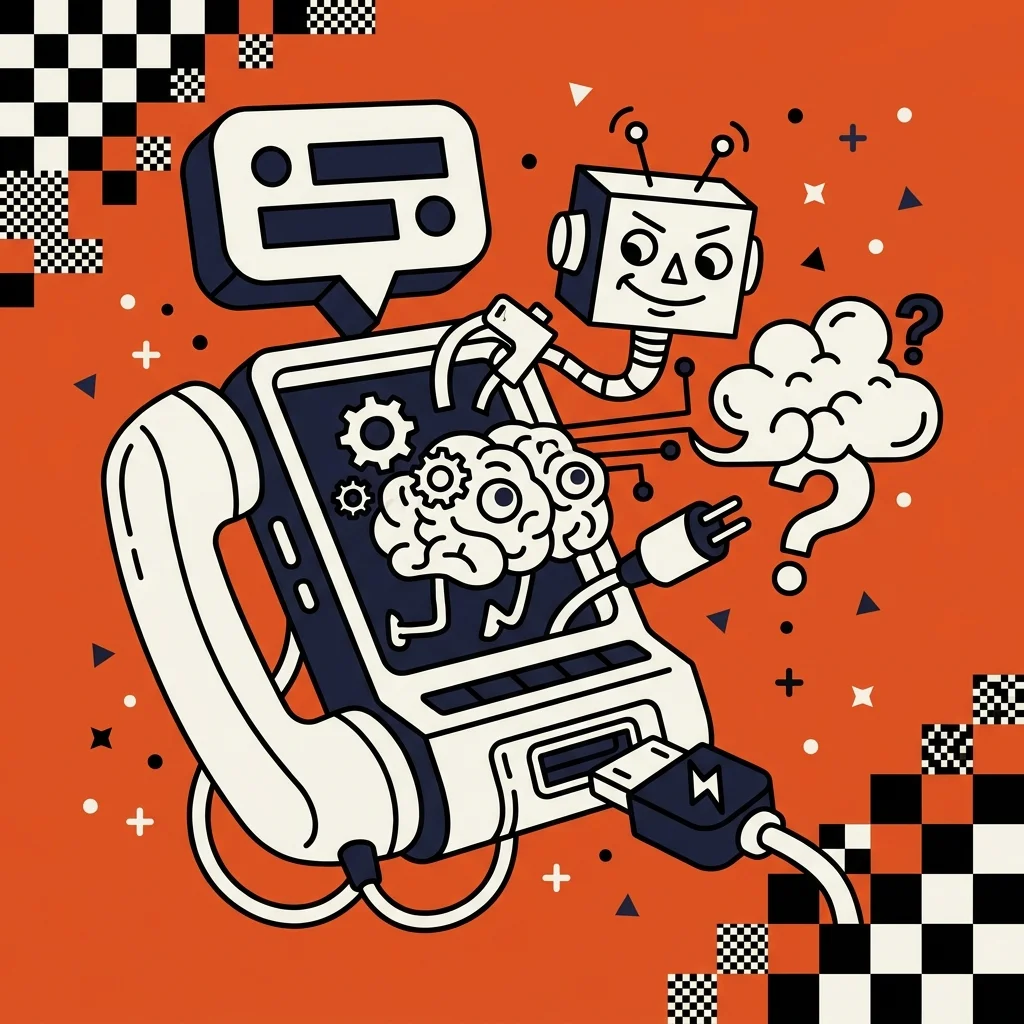
WhatsApp is testing third-party AI agents
WhatsApp is testing third-party AI agents on Android — a dedicated 'Agents' section, each bot in its own separate chat, capped at five. Think booking, shopping and support helpers living right inside your messages. Useful, as long as it stays optional and you check what each bot can actually see. 🤖
The problem
Getting things done — booking, shopping, quick support — usually means leaving your chat app and juggling other websites or apps.
What changed
WhatsApp is testing a dedicated 'Agents' section on Android where third-party AI assistants each live in their own separate chat, with a cap of five agents per user, so helpers sit alongside your normal conversations.
The catch
It's still a test, Android-first, and a third-party AI inside your messages raises the obvious question of what data each agent can see — so treat it as opt-in, not default.
What it means for you
If it reaches you, add an agent only if it genuinely saves you steps, and check its permissions before you start chatting.
- Long Press · Daily Five21 Sept 202602 / 05
 news
newsInstagram will pay creators for photos and carousels, not just Reels
Instagram is rolling out a Bonuses program that pays eligible creators for static photo and carousel posts — not only Reels. Carousels quietly became the platform's best-performing format, and until now they earned nothing directly. It's invite-only for now, so treat it as upside, not a reason to post worse. 💸
The problem
For years Instagram's payouts flowed almost entirely to Reels, leaving photo and carousel creators — often the best-performing format — earning nothing directly from their posts.
What changed
Instagram's new Bonuses program rewards eligible creators for static photos and carousels, extending direct monetization beyond video for the first time.
The catch
It's invite-only / eligibility-gated and rolling out gradually by region, and chasing bonus payouts is not the same as making posts people actually want.
What it means for you
If you get access, keep posting for your audience first and let the bonus be upside — don't redesign your content around it.
- Long Press · Daily Five21 Sept 202603 / 05
 tip
tipGoogle Photos has a passcode vault most people never open
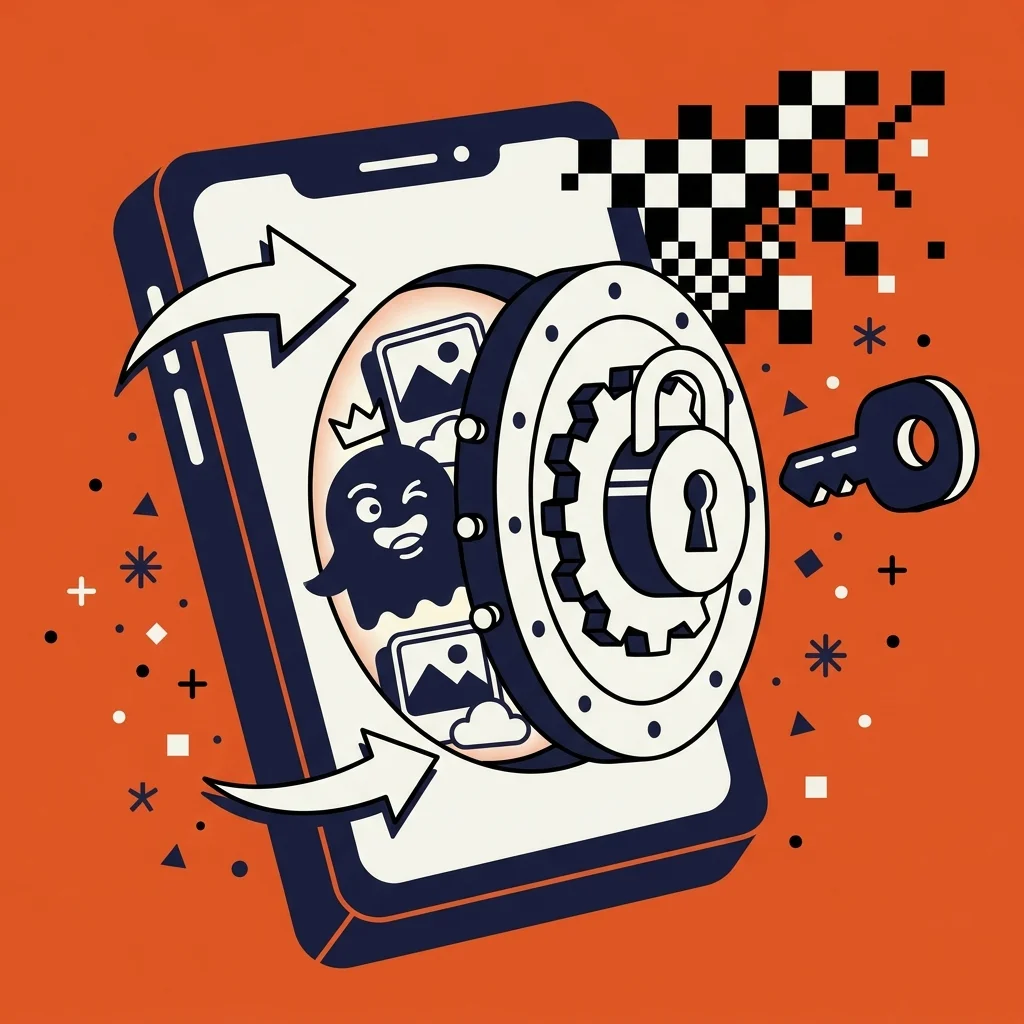
Google Photos has a built-in Locked Folder, protected by your passcode or fingerprint. Anything you move in disappears from your main grid, Memories, search, shared albums and even other apps. It now backs up to the cloud and syncs across devices, so a lost phone no longer means lost photos. Find it under Photos, Collections, Locked Folder. 🔒
The problem
Private photos — IDs, documents, personal pictures — usually sit in your main gallery, where anyone scrolling your phone or any app with photo access can stumble on them.
What changed
Google Photos' Locked Folder puts them behind your passcode or fingerprint, hidden from the grid, Memories, search, shared albums and other apps — and it now backs up to the cloud and syncs across devices.
The catch
You have to move photos in manually, and if you lose your device credentials, locked items can be hard to recover — so don't make it the only copy of critical documents.
What it means for you
Open Photos, Collections, Locked Folder and move your sensitive photos in today; it takes two minutes.
- Long Press · Daily Five21 Sept 202604 / 05
 ai
aiThe best AI prompt for any big decision makes it argue against you
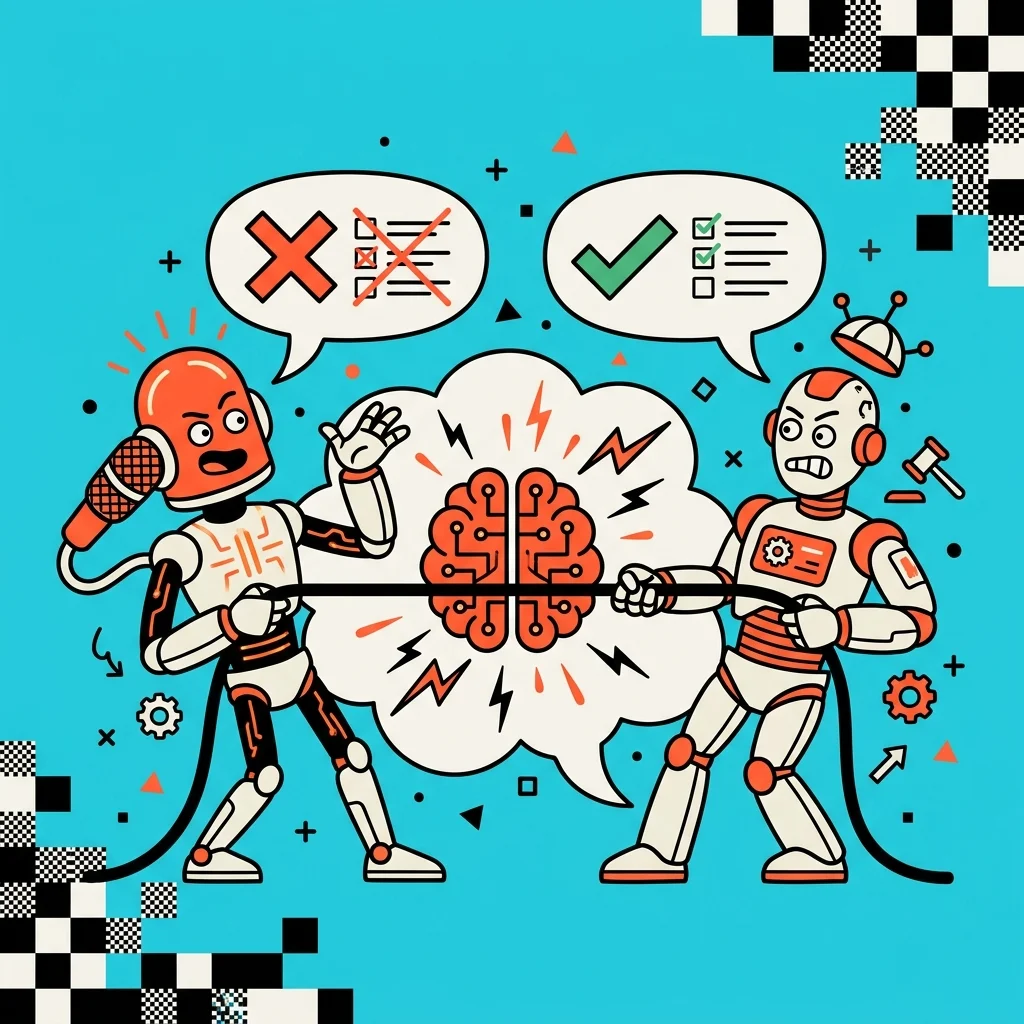
AI will happily agree with almost any plan you pitch it — which is exactly why it makes a bad yes-man. Before your next big decision, paste this: 'I'm about to [decision]. Argue the strongest case AGAINST it. List the 3 most likely ways it fails and the one thing I'm probably not seeing. Be blunt.' It flips the model from cheerleader to devil's advocate and surfaces blind spots before they cost you. 🧠
The problem
Ask AI 'should I do this?' and it tends to validate you, which feels good but hides the failure modes you most need to see.
What changed
A simple pre-mortem prompt forces the model to argue the strongest case against your plan, name the likeliest ways it fails, and flag the blind spot you're missing.
The catch
It's a thinking aid, not a decision-maker — the AI can still be wrong or over-confident, so weigh its counter-case with your own judgment.
What it means for you
Copy the prompt and run it on your next real decision — a purchase, a hire, a launch — before you commit.
- Long Press · Daily Five21 Sept 202605 / 05
 hot take
Viral home-robot demos are selling a future that isn't shipping yet
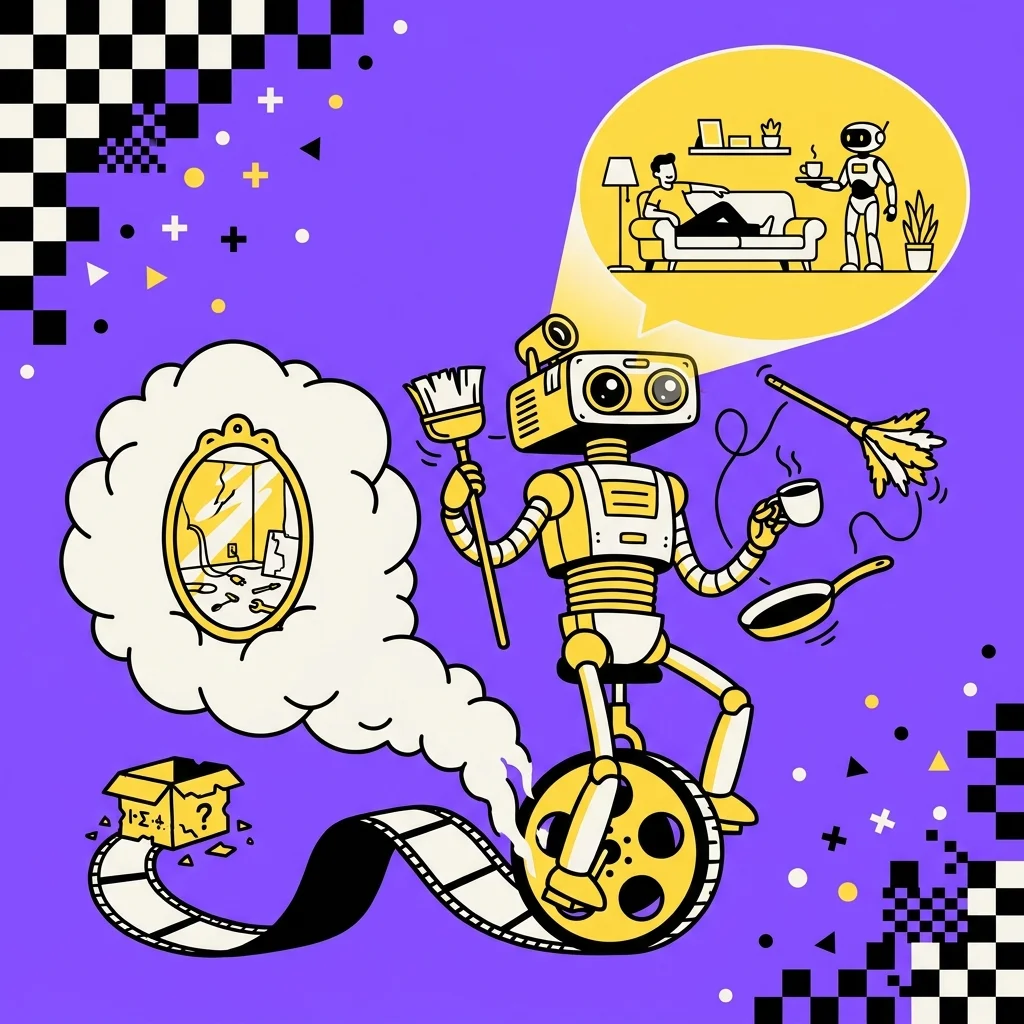
Every humanoid-robot clip — folding laundry, making coffee — goes viral, and the fine print rarely does. Today's home robots are six-figure, single-task, often tethered, and the demos are cherry-picked and sped up. Your robot vacuum quietly does a real chore every day for a fraction of the price. The humanoid future is genuinely coming, just not at this year's keynote. 🤖
The problem
Slick humanoid-robot demos create the impression that a general-purpose home helper is about to land in your living room.
What changed
The demos are real capability milestones — robots planning multi-step chores and handling delicate tasks — and the field is moving quickly.
The catch
In reality these machines are six-figure, mostly single-task, frequently tethered, and the viral clips are cherry-picked and sped up; nothing you can buy does your chores end to end.
What it means for you
Enjoy the demos, but don't hold your upgrades for a home humanoid — a good robot vacuum or the automation already on your phone delivers more, today.